PLA Explained: From Plant-Based Plastic to the Future of Sustainable Materials
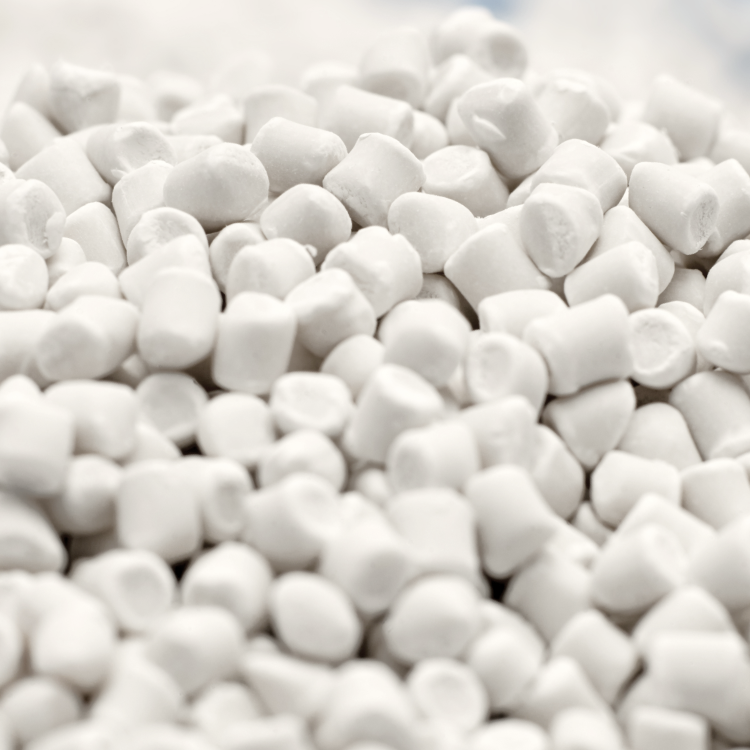

Table of Contents
The Misunderstood Promise of “Eco-Friendly” Materials
Not all “eco” materials are created equal. In recent years, materials like PLA (polylactic acid) have become popular alternatives to petroleum-based plastics.
They’re made from renewable sources like corn or sugarcane, and are often marketed as “biodegradable” or “compostable”. But the truth is, not every plant-based plastic is truly sustainable — and understanding the difference matters.
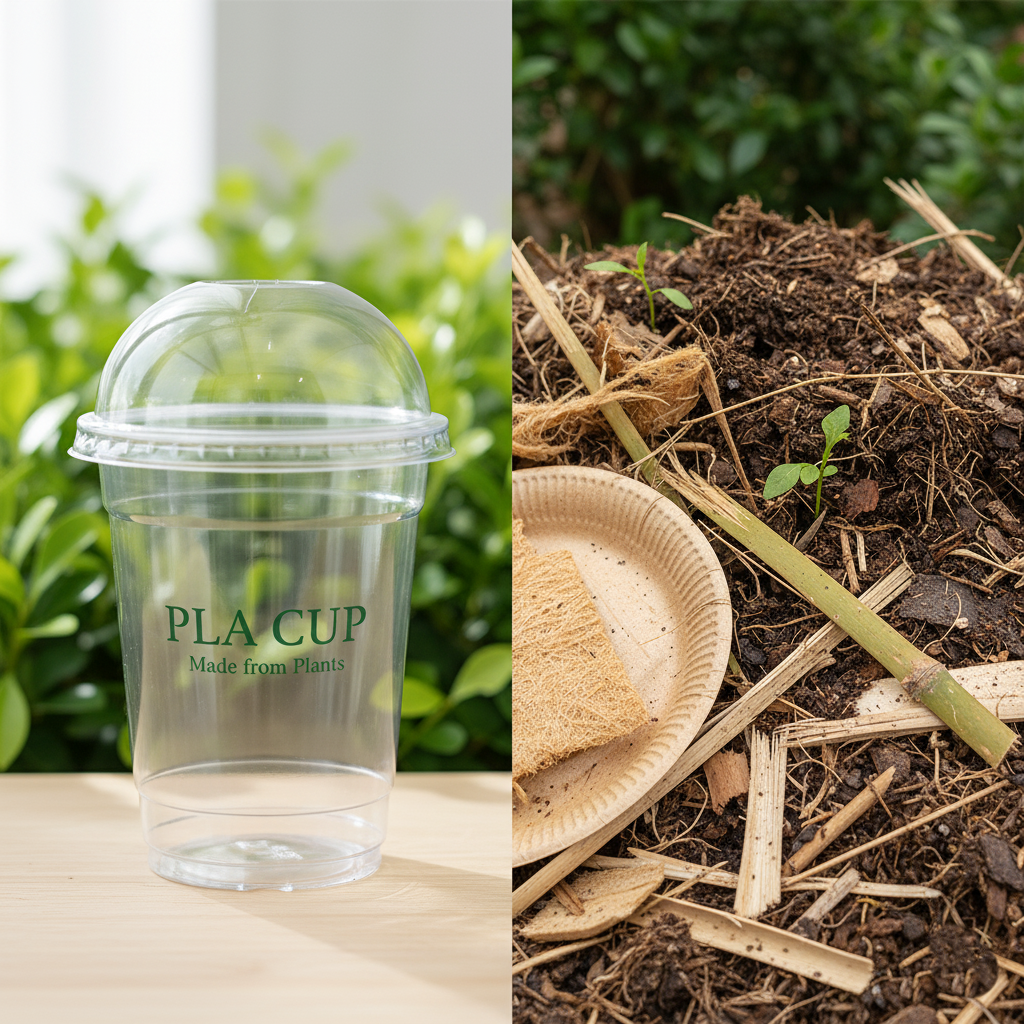
“PLA cup and plant fiber composting comparison”
What PLA Really Is
PLA, or polylactic acid, is a plant-based polymer made by fermenting natural starches into lactic acid and then polymerizing it into plastic pellets. Because it’s derived from renewable crops, it helps reduce dependence on fossil fuels — a major step forward for material science.
However, being “plant-based” doesn’t mean it’s naturally biodegradable.
PLA only breaks down under industrial composting conditions (around 60°C with high humidity and specific microbes). In natural soil, landfill, or ocean environments, it remains stable for years — similar to traditional plastic.
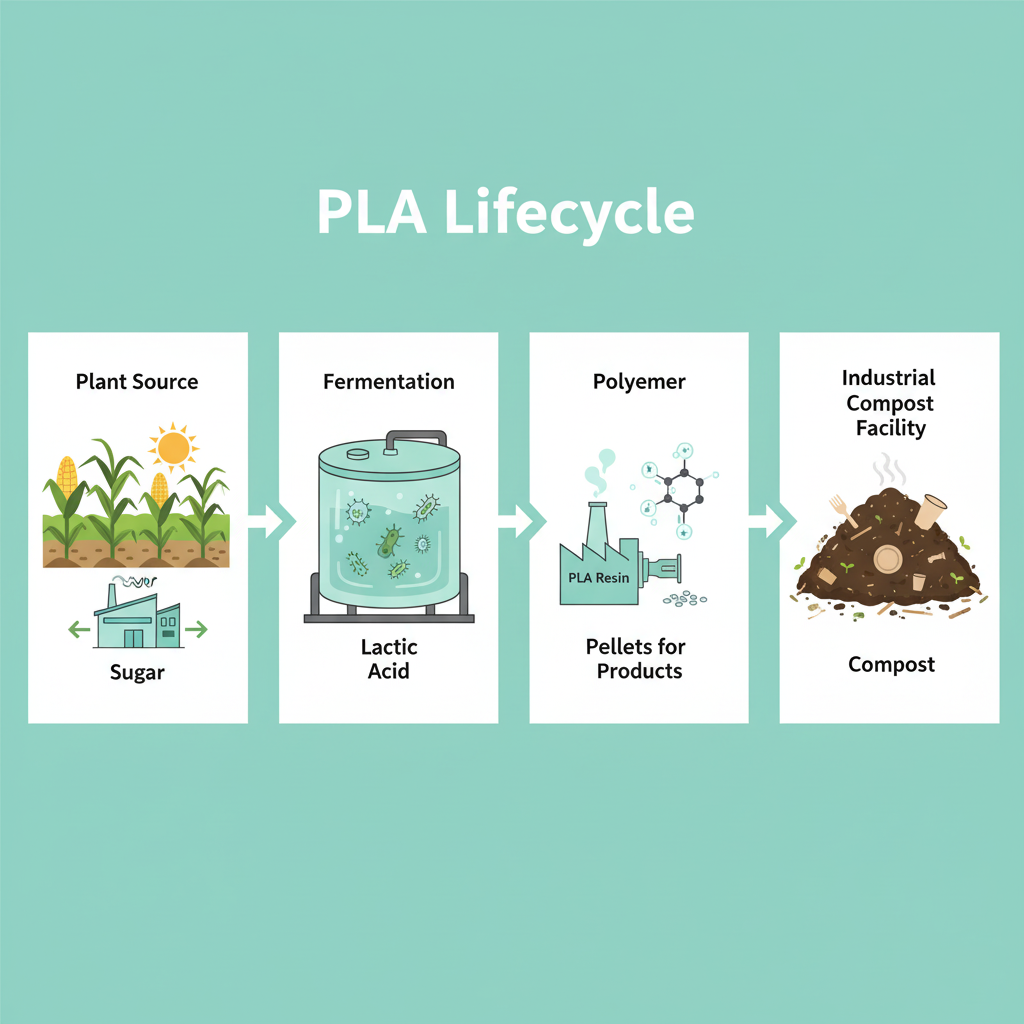
“PLA Lifecycle”
Why Many People Mistake PLA for Eco-Friendly Plastic
The confusion comes from how products are marketed. Terms like “compostable,” “eco-plastic,” or “made from plants” can make PLA sound like it naturally disappears in the environment.
In reality, PLA requires specialized industrial facilities to decompose — and such facilities are limited worldwide.
“The misunderstanding comes from marketing, not from science.”
Condition | Industrial Composting | Home Composting |
Temperature | 55–70°C (high, controlled) | 25–45°C (ambient, variable) |
Environment | Aerated, monitored for heat and moisture | Natural outdoor or bin setup |
Time to Decompose | 2–6 months | 6 months–2 years |
Accepted Materials | Certified compostable bioplastics (like PLA under EN13432) + food waste | Mostly organic waste (kitchen scraps, yard waste); few bioplastics |
Maintenance | Professionally managed | Manually turned and maintained |
End Product | Fine, uniform compost suitable for agriculture | Coarser compost suitable for garden use |
Availability | Requires industrial facility | Possible at home, backyard or small bin |
PLA’s Real Value: A Technological Milestone, Not the End Goal
Despite its limitations, PLA is a crucial scientific achievement. It proves that renewable, bio-based plastics can match the performance of petroleum plastics — from packaging to 3D printing to medical applications.
In medicine, for example, PLA is safely used for sutures and implants that degrade inside the body.
PLA is therefore best seen as a bridge technology — paving the way toward the next generation of truly sustainable materials.

“PLA used in biomedicine and 3D printing.”
Beyond PLA: Natural Materials That Truly Return to the Earth
At Terreware, we go one step further.
Our products are made from natural plant fibers and agricultural byproducts — such as sugarcane bagasse, bamboo fiber, coffee grounds, and wheat straw.
These materials don’t just reduce waste; they close the loop by naturally decomposing back into the soil without industrial processing.
Material Comparison | PLA (Plant-Based Polymer) | Plant Fiber Tableware (Bagasse, Bamboo, etc.) |
Raw Material | Corn starch / sugarcane | Agricultural waste / natural fibers |
Composting Condition | Industrial only | Natural / home compostable |
Biodegradability | Partial | Complete |
Microplastic Residue | Possible | None |
End of Life | Needs facility | Returns to soil naturally |
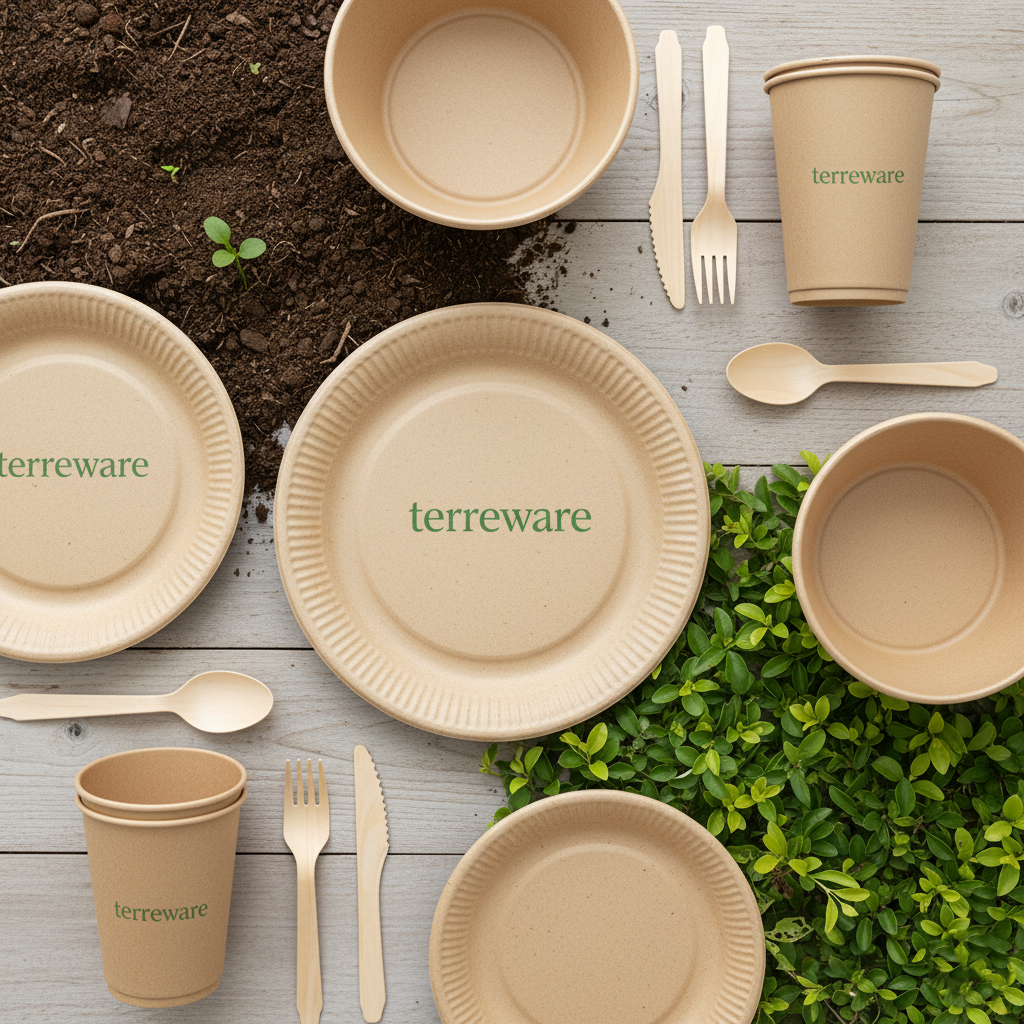
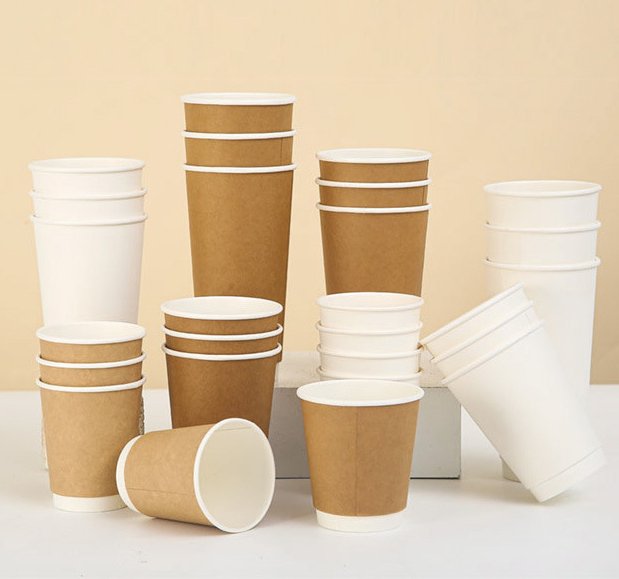
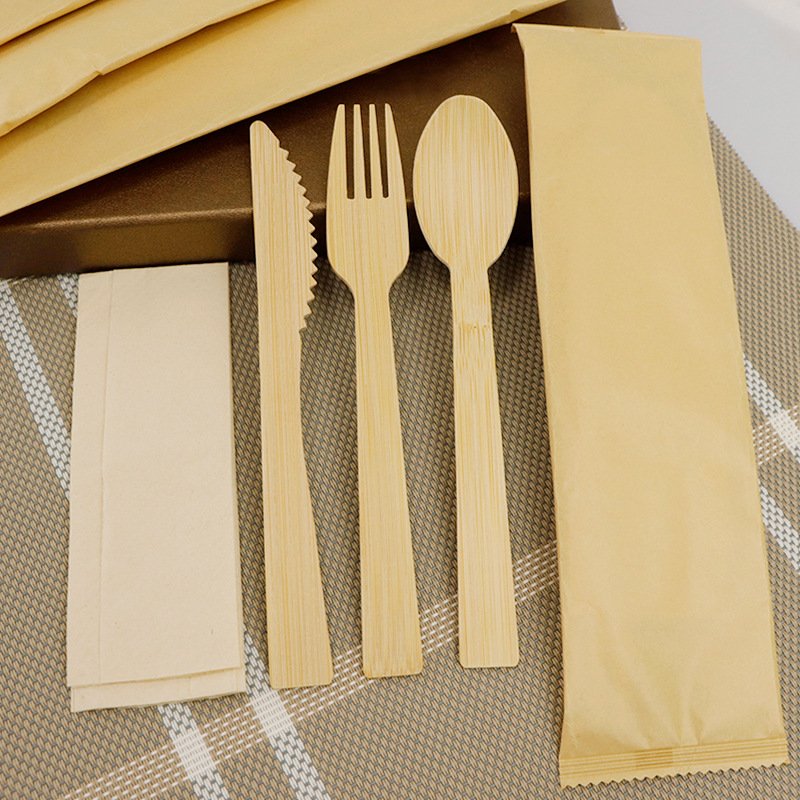
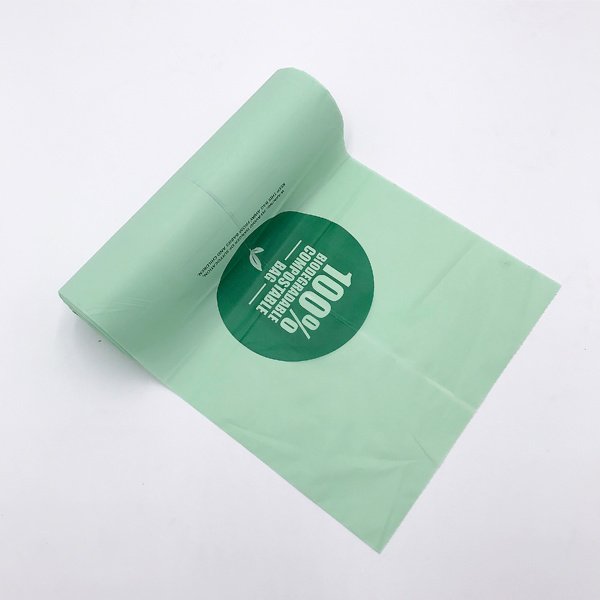
“Terreware compostable plant fiber tableware”
From Bio-Based to Bio-Circular: The Future of Materials
True sustainability isn’t about calling plastic “eco.” It’s about redesigning materials so they live in harmony with the planet.
PLA has shown us what renewable innovation can achieve — now it’s time to move further, toward materials that come from nature and return to nature effortlessly.



At Terreware, that’s what we believe in:
Turning agricultural waste into practical, beautiful, and fully compostable tableware — helping businesses and consumers make everyday choices that are better for our planet.